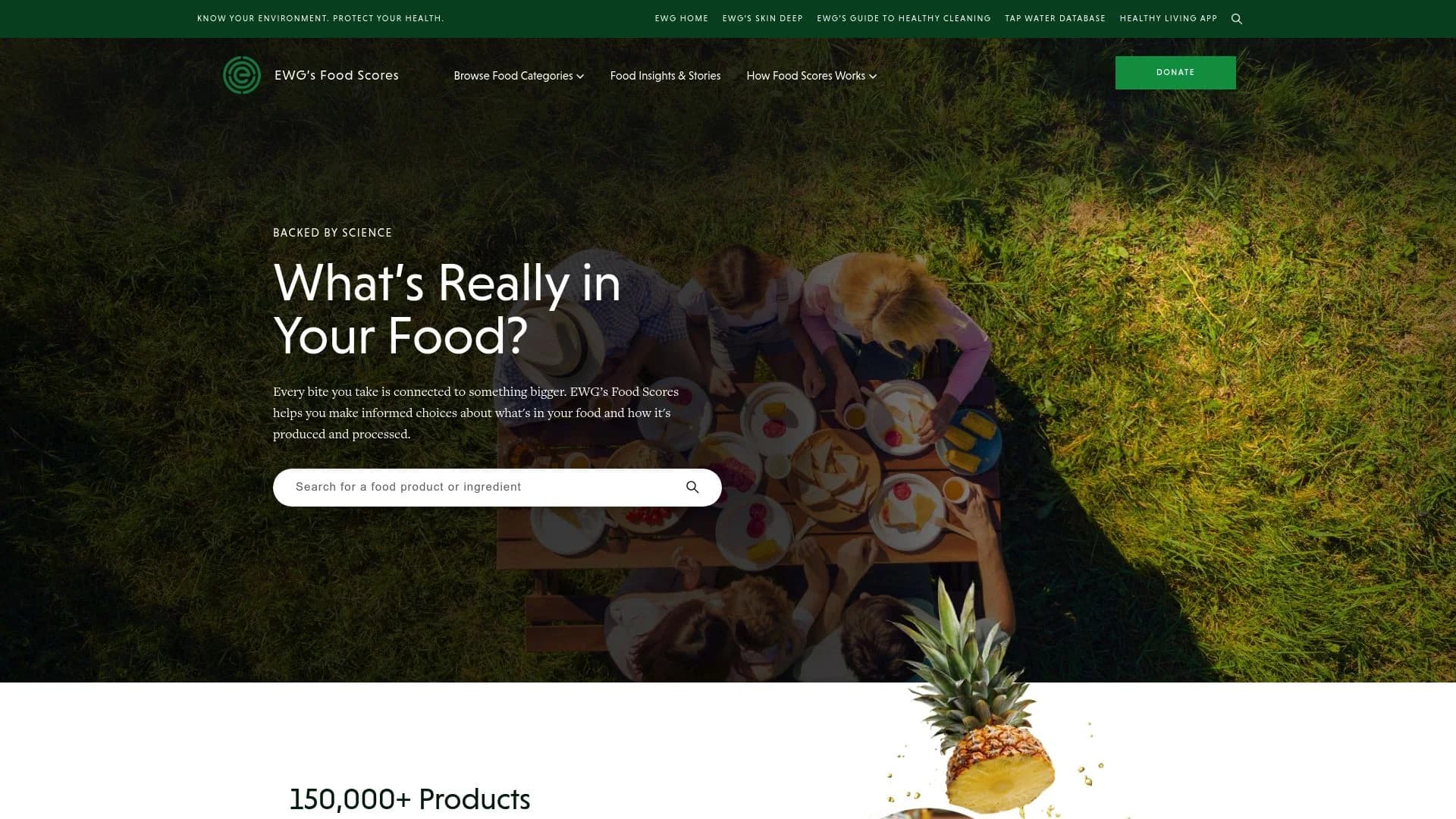
The Non-Profit Directory Model: How Eat Well Guide Maps Sustainable Food for 25+ Years
3.5K
Monthly Visitors
$226K
Traffic Value/yr
DR 59
Domain Rating
25+
Years Active
For over 25 years, one directory has helped Americans find farms, farmers markets, and restaurants committed to sustainable food—without selling a single ad placement.
Eat Well Guide exists because someone asked a simple question: How do you find food that's grown sustainably and sold locally?
In the late 1990s, that question had no easy answer. If you wanted to buy from local farms, you had to know someone who knew someone. Farmers markets weren't listed online. Restaurants serving local ingredients didn't advertise it.
Eat Well Guide set out to map the sustainable food landscape. Not for profit—for purpose. Twenty-five years later, it remains one of the most trusted resources for people who care about where their food comes from.
The Challenge
Before "farm-to-table" became a restaurant cliche, finding sustainable food was genuinely difficult. Farmers sold at local markets with no online presence. Restaurants sourced from industrial suppliers because alternatives weren't visible.
Consumers who cared about sustainability had no way to discover options. The sustainable food system existed—it just wasn't navigable.
Eat Well Guide launched to solve this information problem. The goal wasn't to build a business—it was to make the sustainable food system visible.
Directory Overview
| Website | eatwellguide.org |
| What It Does | Directory of sustainable, local food sources |
| Years Active | 25+ years |
| Model | Non-profit/mission-driven |
| Categories | Farms, farmers markets, restaurants, co-ops, CSAs |
| Focus | Sustainable agriculture and local food systems |
Key Metrics (Ahrefs, January 2026)
Monthly Traffic
3,456
Mission-driven, not traffic-driven
Traffic Value
$226K/year
High-value local food discovery searches
Domain Rating
59/100
25+ years of trust compounds authority
Referring Domains
2,042
Sustainability organizations link as trusted resource
Traffic Sources
What The Numbers Tell Us
Twenty-Five Years of Authority: Domain age compounds. A site that's been consistently serving sustainable food information for 25+ years has accumulated trust that newer sites can't match.
Mission Alignment Creates Trust: Users know Eat Well Guide isn't influenced by advertising dollars. This creates credibility that commercial directories struggle to match.
Community Links: Sustainable food organizations, local food advocates, and environmental groups link to Eat Well Guide as a trusted resource. These mission-aligned backlinks are earned, not purchased.
Evergreen Utility: People will always need to find local farms and farmers markets. Unlike trend-based content, this core utility remains valuable year after year.
The Non-Profit Model
No Paid Placements
Listings are based on sustainable practices, not payment. A farm can't buy its way to the top of results.
Values-Based Curation
Not every farm or restaurant qualifies. Eat Well Guide maintains criteria around sustainable and local practices that listings must meet.
Grant Funded
Funding comes from grants from sustainable agriculture organizations, donations from supporters, and partnerships with aligned non-profits.
Why This Model Works
Without pressure for quarterly growth, Eat Well Guide can prioritize doing things right over doing things fast. Values-based curation creates trust that becomes the directory's most valuable asset.
Build Your Own Directory Success Story
Eat Well Guide proves directories can serve causes, not just commerce. What mission could your directory advance?
Get Weekly Directory Case Studies
SEO & Content Strategy
Local Venue Keywords: Eat Well Guide ranks for specific farmers markets, restaurants, and local food venues. Each location page captures searches from people in that area.
Aggregated Long-Tail: While individual location searches are small (450, 1,700, 1,000 monthly), aggregated across thousands of listings, they create meaningful traffic.
High Intent Searches: Someone searching for "Cortland farmers market" wants to visit that market. This is transactional intent that converts to real-world action.
| Top Keywords | Volume | Position |
|---|---|---|
| dutch country philadelphia | 450 | #4 |
| cortland farmers market | 1,700 | #10 |
| eatwell guide | 350 | #3 |
| mission ranch market | 1,200 | #4 |
| the blue pig tavern | 1,000 | #8 |
Why Longevity Matters
25+ years of operation creates advantages newer directories can't replicate:
- Domain Authority: Search engines trust established sites. Two decades of consistent operation signals reliability.
- Institutional Knowledge: Staff and volunteers understand the sustainable food landscape deeply. This expertise improves curation quality.
- Relationship Networks: Long-term relationships with farms, markets, and sustainable food organizations create data sources competitors don't have.
- Community Recognition: When people think "find sustainable food," Eat Well Guide comes to mind through decades of presence.
Key Lessons for Directory Builders
1. Directories Can Serve Causes
Not every directory needs to maximize revenue. Some can optimize for mission impact. If you care deeply about a cause, building its directory can create lasting value.
2. Values Create Community Trust
When users know a directory isn't driven by advertising revenue, trust increases. This trust becomes the directory's most valuable asset.
3. Longevity Compounds Authority
25+ years of operation creates domain authority and community recognition that newer competitors can't match. Patience is a competitive advantage.
4. Non-Profit Doesn't Mean Non-Impact
$226K in annual traffic value shows that mission-driven directories can build meaningful reach. Impact doesn't require commercial optimization.
5. Different Models Suit Different Goals
Eat Well Guide couldn't exist as a venture-backed startup—the incentives wouldn't align. But as a non-profit, it can prioritize sustainability criteria over growth.
6. Grant Funding Enables Mission Focus
Non-profit directories can access grant funding that commercial directories can't. This opens alternative paths to sustainability.
Conclusion
Not every directory needs to be a business. Some can be causes.
For 25+ years, Eat Well Guide has helped people find sustainable, local food—not because it's profitable, but because it matters. No paid placements. No advertising pressure. Just mission-aligned curation.
This approach won't create a unicorn valuation. It won't make anyone rich. But it creates something different: a trusted resource that serves a community's values rather than extracting value from that community.
The core insight: Before deciding how to monetize, decide what you're building for. If it's a cause you genuinely care about, the non-profit model might serve better than commercial approaches. Not every impact needs to be measured in revenue.
What cause could use a better directory?
Want More Directory Success Stories?
Get weekly case studies on successful directories, growth strategies, and actionable tactics.
Subscribe to Directory Gems
Sources: Ahrefs (traffic data, January 2026), Eat Well Guide website.
Related Case Studies
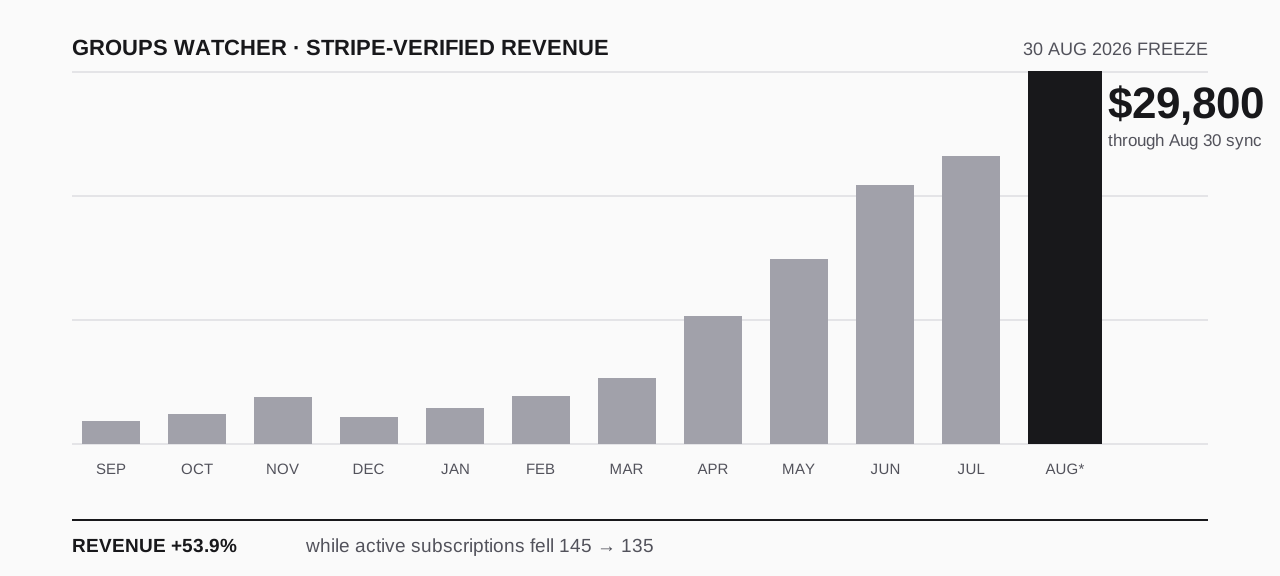
Groups Watcher's August revenue rose 53.9% while active subscriptions fell. Its product history explains the paradox: an alert extension became managed monitoring, then a done-for-you lead service.
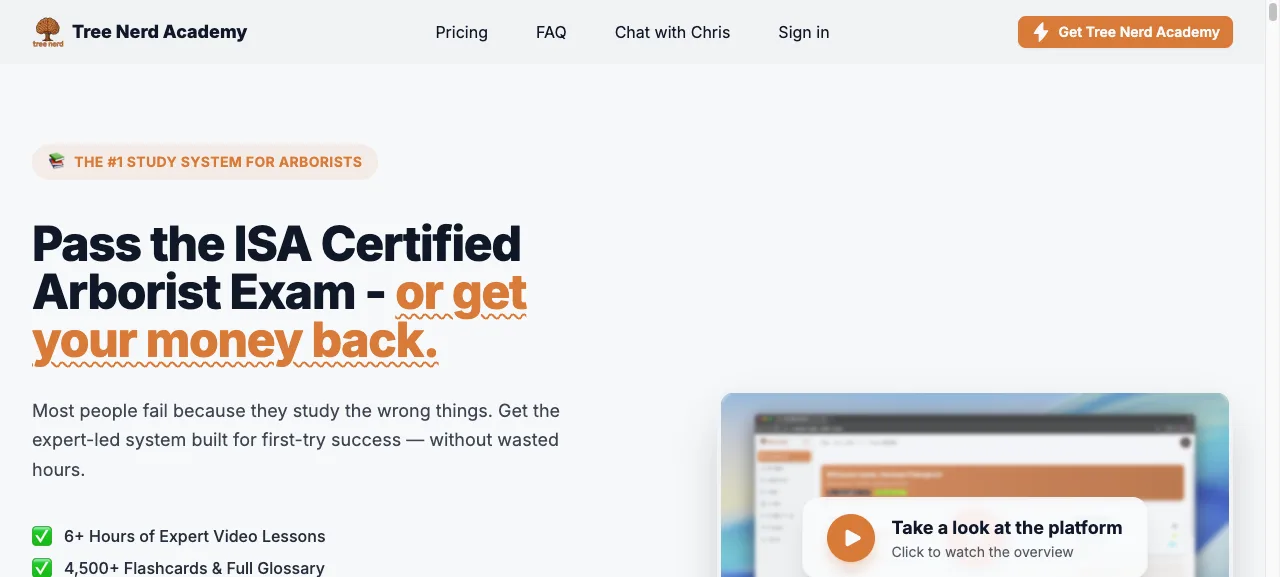
A course teaching one arborist exam earns $35,683 a month on a domain Google sends no traffic to. Then the founder cloned it in Spanish — same product, same instructor — and it made $278. Here is what that proves.
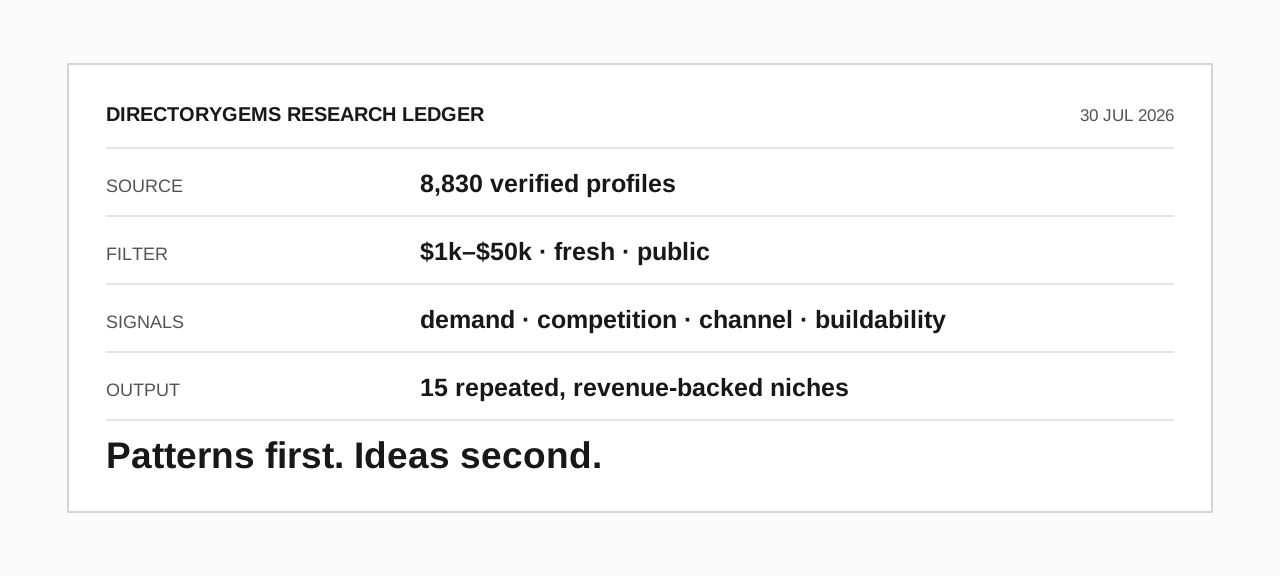
Most micro SaaS idea lists are invented. These 15 are each backed by named companies whose revenue is read from Stripe and RevenueCat APIs — with the exact revenue, domain rating and follower count behind every one.
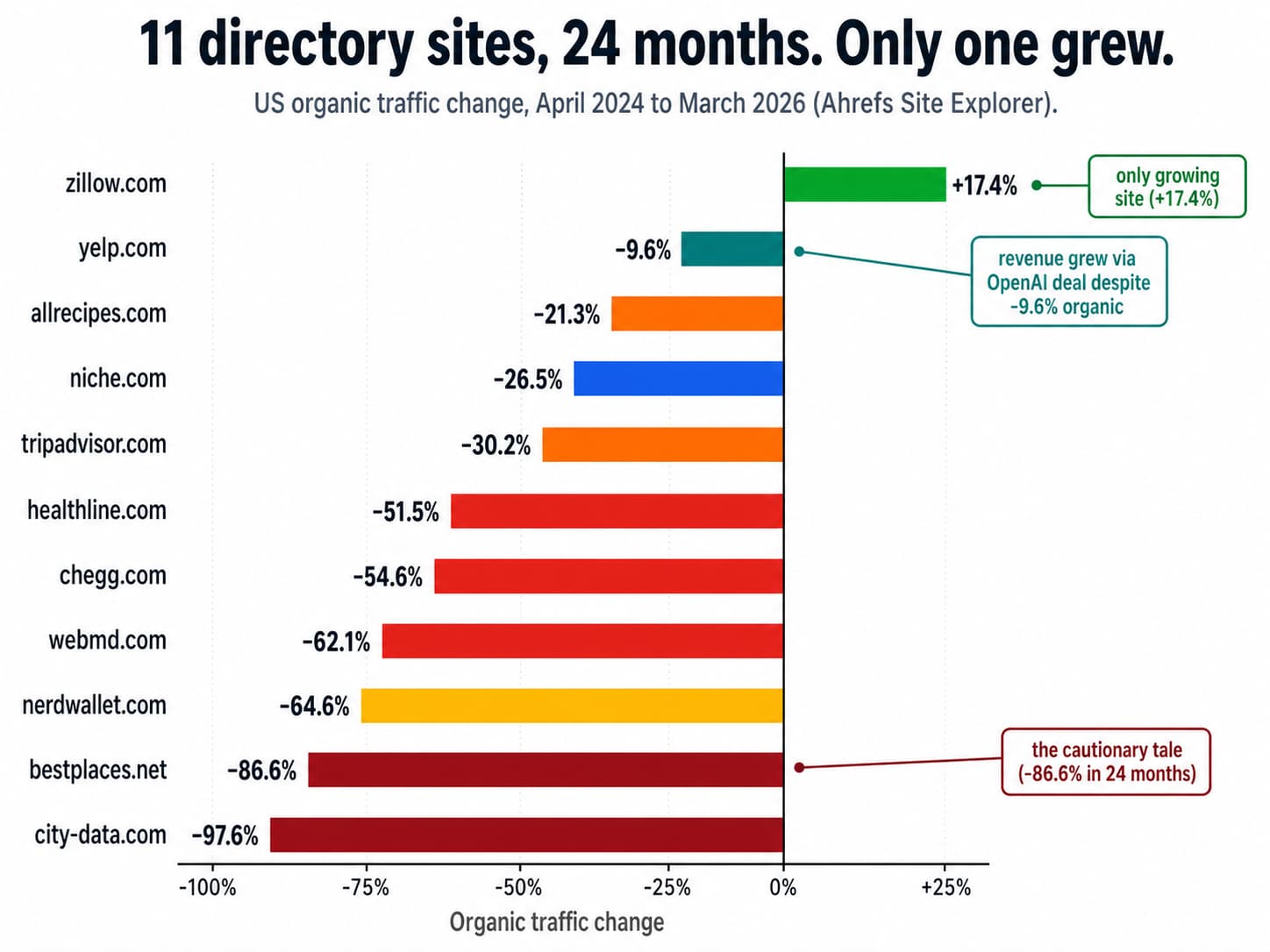
Of 11 directory sites audited against Ahrefs in April 2026, only Zillow grew. Two-thirds lost 21–98%. Six repeatable patterns separate winners, decoupled survivors, and dying directories.