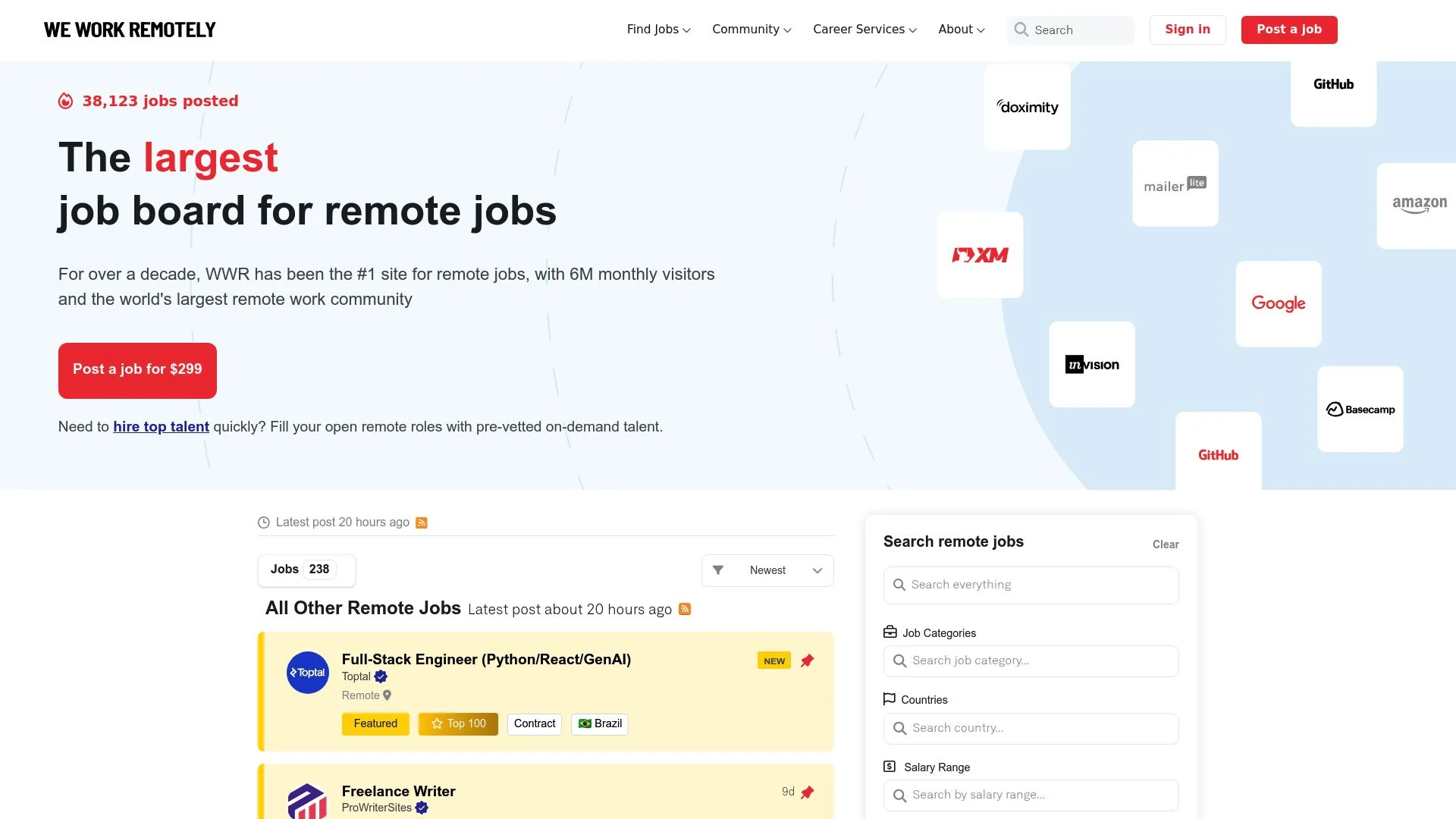
The Remote Job Board from the Pioneers of Remote Work: How We Work Remotely Became the Go-To for Distributed Teams
264K
Monthly Visitors
$6.5M
Traffic Value/yr
DR 78
Domain Rating
13.3K
Ref. Domains
Jason Fried and David Heinemeier Hansson have been running a remote company since 1999.
That's 25+ years of distributed work—long before Zoom existed, before "remote-first" was a phrase, before the pandemic made everyone an expert on working from home.
When they wrote the book Remote: Office Not Required in 2013, it was considered radical. When they launched We Work Remotely as a job board for remote positions, it felt niche. Now? It's the largest remote work community on the internet.
We Work Remotely (WWR) attracts 263,000 monthly organic visitors searching for remote jobs. It generates $6.5 million in annual traffic value. And it came from the company that's been practicing remote work longer than almost anyone.
Authority matters in directories. When the founders literally wrote the book on remote work, their job board carries credibility no competitor can match.
The Challenge
From Virtual Company to Job Board
We Work Remotely emerged from 37signals (now Basecamp), the company behind Basecamp project management software and HEY email. 37signals has been a virtual company for over 20 years.
Jason Fried and David Heinemeier Hansson didn't just tolerate remote work—they championed it, wrote about it, built their entire company around it. When they saw the demand for remote jobs growing, they built We Work Remotely as a natural extension of their philosophy.
Who better to curate remote job listings than a company that had been successfully remote for decades?
The timing was prescient. What started as a niche board for "people who want to work remotely" has become essential infrastructure for the distributed work movement.
Directory Overview
| Website | weworkremotely.com |
| Parent Company | 37signals (Basecamp/HEY) |
| Founders | Jason Fried, David Heinemeier Hansson |
| Focus | Remote job board for tech, design, sales, marketing |
| Content | The Remote Show podcast, job listings, company profiles |
| Authority | 25+ years running a remote company |
Key Metrics (Ahrefs, January 2026)
264K
Monthly organic traffic
$6.5M
Annual traffic value
78
Domain Rating
220K
Total backlinks
Self-described as "the largest remote work community on the web"—built on decades of actual remote work practice.
Traffic Sources
What The Numbers Tell Us
Brand Searches Dominate: WWR's top keywords are branded ("we work remotely," "weworkremotely," "wwr"). When people search for your brand directly, you've achieved meaningful awareness.
Generic Intent Capture: "Work remotely" and "contract jobs" are valuable generic keywords that WWR ranks #1 for. This captures people who haven't yet heard of the platform.
Authority Through Practice: 37signals has been remote since 1999. They didn't study remote work—they invented how many companies approach it. This lived experience creates unmatched credibility.
Monetization
Employer-Pay Model
Job Posting Fees
Employers pay to post remote job listings. Access to the "largest remote work community" justifies premium pricing—companies get quality candidates who specifically want remote work.
Quality Over Quantity
WWR focuses on quality remote positions, not just any job that allows some flexibility. This curation attracts serious candidates and serious employers.
Why This Model Works
The Book as Marketing: Remote: Office Not Required (2013) positioned Fried and Hansson as thought leaders on distributed work. The job board is a natural extension of that authority—built-in credibility that money can't buy.
Pandemic Surge: When COVID forced everyone remote, We Work Remotely was already established. While others scrambled to pivot, WWR simply received more traffic from people who suddenly needed remote jobs.
Focus Creates Differentiation: WWR only lists remote jobs. This focus differentiates them from general job boards and attracts users who specifically want remote work, not just flexibility.
Build Your Directory Business
WWR proves that authority in your niche creates unassailable competitive advantage. Learn how to build valuable directories with our weekly case studies.
Subscribe to Directory Gems
SEO & Content Strategy
Top Ranking Keywords
| Keyword | Volume | Position |
|---|---|---|
| we work remotely | 14,000 | #1 |
| weworkremotely | 13,000 | #1 |
| wwr | 8,000 | #1 |
| contract jobs | 3,400 | #1 |
| work remotely | 2,400 | #1 |
Strong Brand = Strong Moat
Brand Searches Dominate: WWR's top keywords are branded ("we work remotely," "weworkremotely," "wwr"). When people search for your brand directly, you've achieved meaningful awareness.
The Remote Show Podcast: Content marketing through podcasting builds authority and keeps the brand top-of-mind for remote work conversations.
Generic Intent Capture: "Work remotely" and "contract jobs" are valuable generic keywords that WWR ranks #1 for. This captures people who haven't yet heard of the platform.
Key Lessons
📚 Expertise Creates Authority
37signals didn't study remote work to launch a job board. They practiced it for 20+ years first. That expertise creates trust that marketing can't manufacture.
✍️ Write the Book (Literally)
Remote: Office Not Required positioned the founders as thought leaders and created demand for resources like WWR. Content marketing at its most effective.
⏰ Be Early to a Trend
WWR was established before remote work went mainstream. When the market exploded, they were already the go-to resource rather than scrambling to enter.
🎯 Focus Creates Differentiation
WWR only lists remote jobs. This focus differentiates them from general job boards and attracts users who specifically want remote work.
✨ Curation Beats Aggregation
Quality remote jobs, curated carefully, beats an overwhelming feed of mediocre listings. Employers pay for access to serious candidates; candidates return for quality.
🏗️ Build from Genuine Knowledge
Don't chase trends you don't understand. Build in areas where you have genuine expertise. Let that expertise become your competitive moat.
Conclusion
Here's what We Work Remotely taught me: The best directories come from genuine expertise, not market analysis.
Jason Fried and David Heinemeier Hansson didn't spot a market opportunity in remote job boards. They had been running a remote company since 1999. They wrote a book about it. They built tools for it. A job board was a natural extension of what they already knew.
That authenticity matters. When employers post jobs on WWR, they know it's run by people who understand remote work deeply. When candidates apply, they trust the curation.
The core insight: Don't chase trends you don't understand. Build in areas where you have genuine expertise. Let that expertise become your competitive moat.
What do you know deeply enough to build a directory around?
Want More Directory Success Stories?
Get weekly case studies on successful directories, growth strategies, and actionable tactics delivered to your inbox.
Subscribe to Directory Gems
Sources: Ahrefs (traffic data, January 2026), Signal v. Noise blog, 37signals podcast, Index/Medium.
Related Case Studies
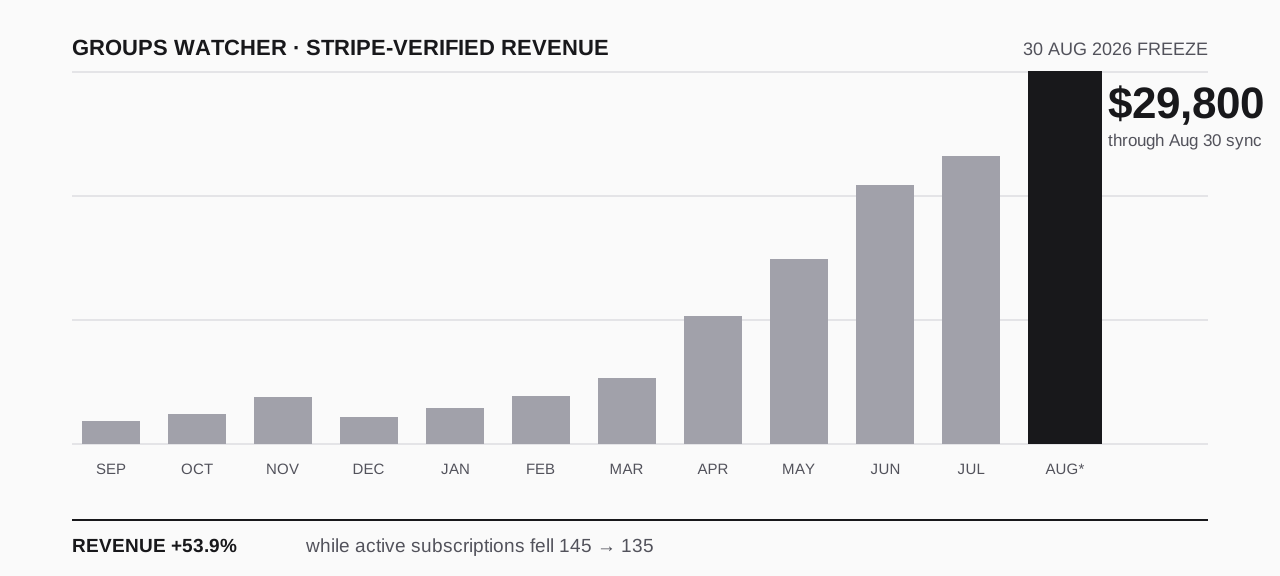
Groups Watcher's August revenue rose 53.9% while active subscriptions fell. Its product history explains the paradox: an alert extension became managed monitoring, then a done-for-you lead service.
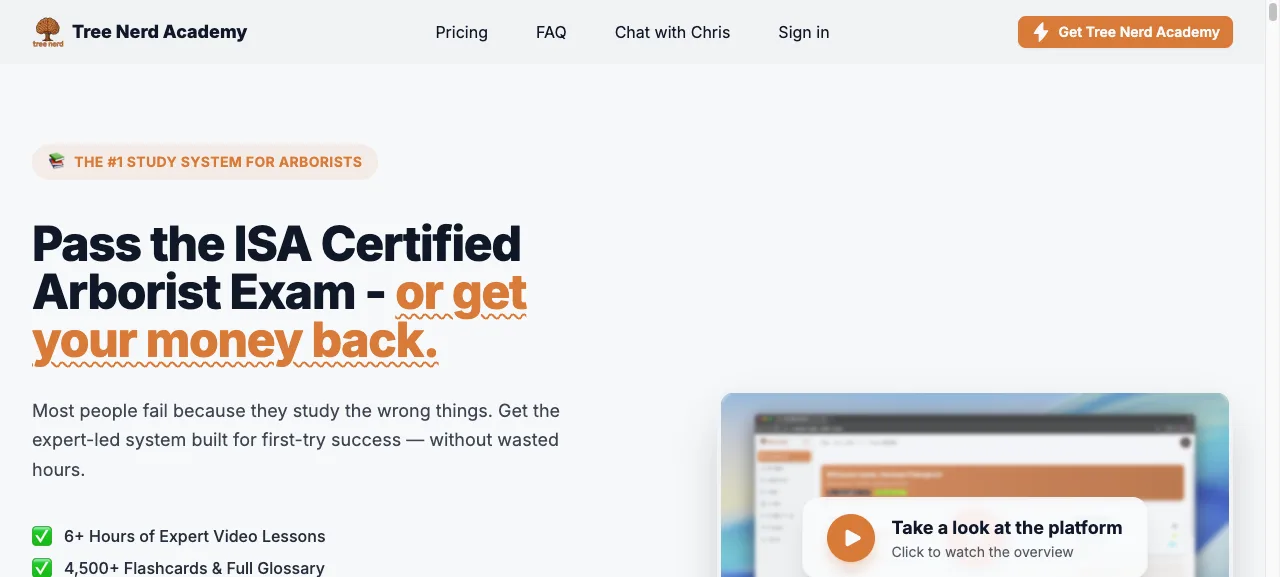
A course teaching one arborist exam earns $35,683 a month on a domain Google sends no traffic to. Then the founder cloned it in Spanish — same product, same instructor — and it made $278. Here is what that proves.
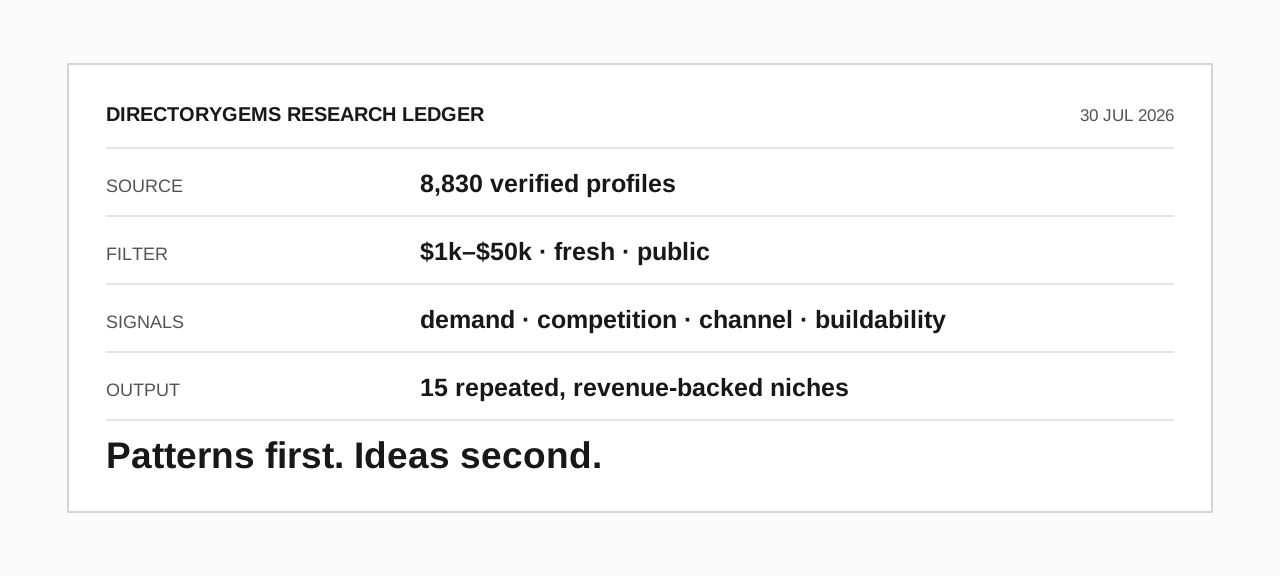
Most micro SaaS idea lists are invented. These 15 are each backed by named companies whose revenue is read from Stripe and RevenueCat APIs — with the exact revenue, domain rating and follower count behind every one.
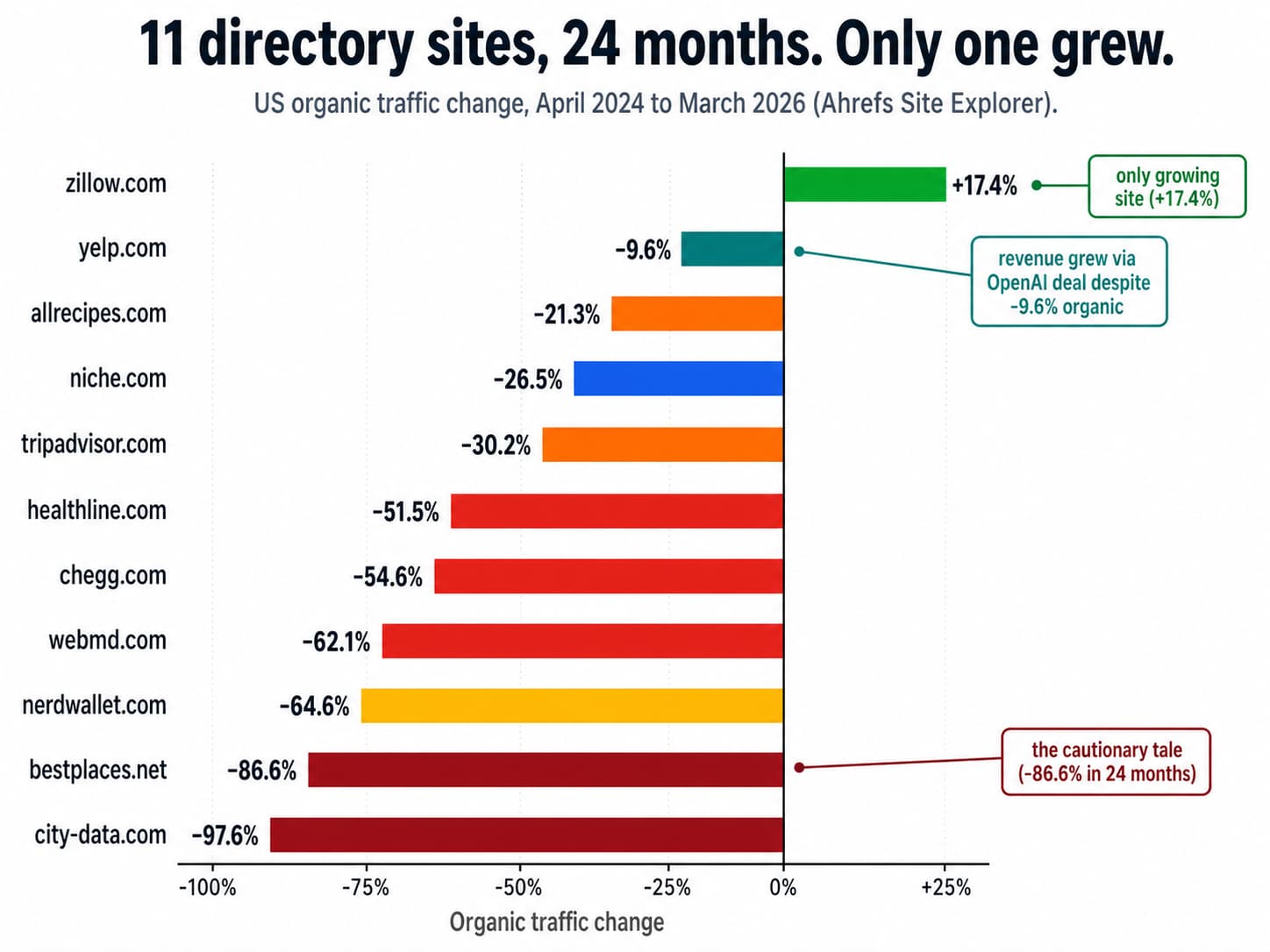
Of 11 directory sites audited against Ahrefs in April 2026, only Zillow grew. Two-thirds lost 21–98%. Six repeatable patterns separate winners, decoupled survivors, and dying directories.